
African Grey for sale

The African Grey Parrot remains the world’s most intellectually capable avian companion. Known for cognitive abilities that rival a five-year-old human, the "Einstein of the Bird World" is no longer a casual pet—it is a lifelong intellectual partner. However, finding a legitimate African Grey for sale today requires navigating a landscape of strict federal regulations and a market where "socialized" breeding is the gold standard.
African Grey Parrots (Psittacus erithacus) are a medium size parrot that is short and stocky. Looking for an African Grey, then you have come to the right place with over 100 available. The tail is squared, robust beak and a variable bare eye-ring. There are a few species that you can visibly tell the males from the females. At the age of 18 months or older, the female will have gray edges in the under-tail coverts and the males will have solid red feathers with occasional small white edges. Juvenile birds are duller in color than adults. The African Grey Parrot has long served as the primary model for avian cognitive research. Once dismissed as mere mimics, these forest-dwelling pscittacines are now recognized as possessing cognitive abilities comparable to non-human primates and young cetaceans.
African Grey Congo hand fed babies
- Name: Eli
- Posted: 10/25/2026
- Phone: 7733173785
- Email: Email Seller
- Location: Illinois
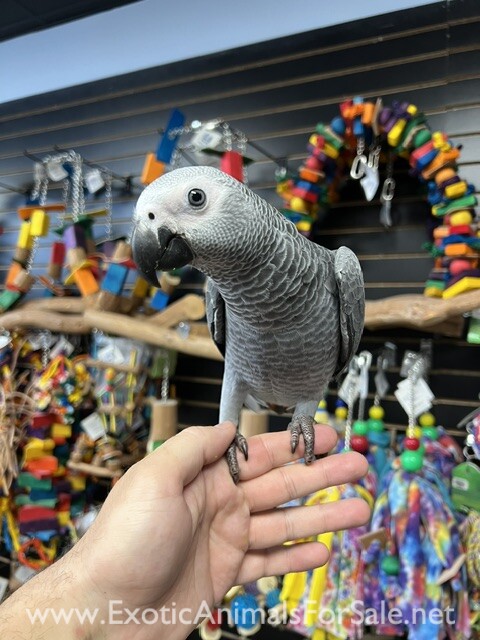
Hand fed very sweet and tame baby African Grey Congo's available. DNA tested male and female very tame and friendly and very well socialzed. Call us for more info 773-317-3785.

African Grey baby
- Price: $8,500.00
- Name: Ana Temple
- Posted: 10/19/2026
- Phone: 6464965005
- Email: Email Seller
- Location: Illinois
- Website: https://www.anasparrots.com/
All of our beautiful birds are raised with care and love. We put our hearts into these magnificent creatures. We offer pick in Schaumburg IL. Any questions please call our phone number. Thank you!
African Grey for sale
- Price: $1,200.00
- Name: Kelly Goldene
- Posted: 10/14/2026
- Phone: 2149351252
- Email: Email Seller
- Location: Texas
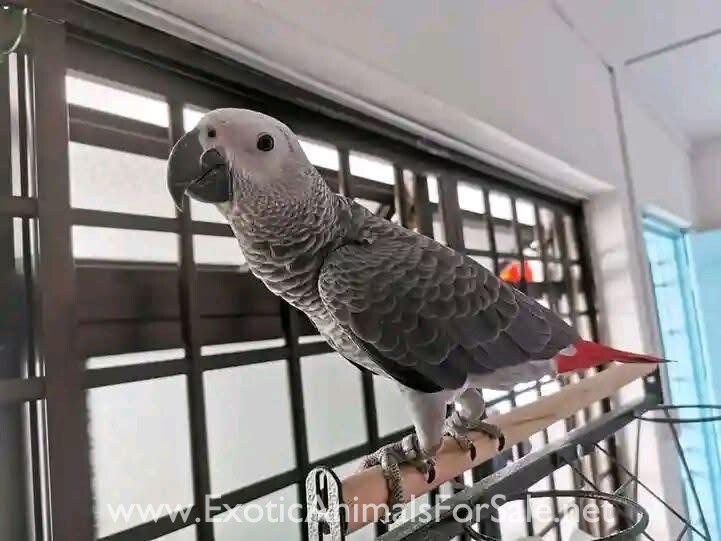
Jacob is hand-raised, very friendly and loves being around people. He is healthy, active, with clean and beautiful grey feathers and a bright red tail. He eats well and is already trying to talk and copy sounds. He likes to whistle, play, and sit on...
Timneh African Grey
- Price: $4,999.00
- Name: Chris
- Posted: 10/14/2026
- Phone: 8135534932
- Email: Email Seller
- Location: Florida
- Website: http://www.ParrotBaby.com
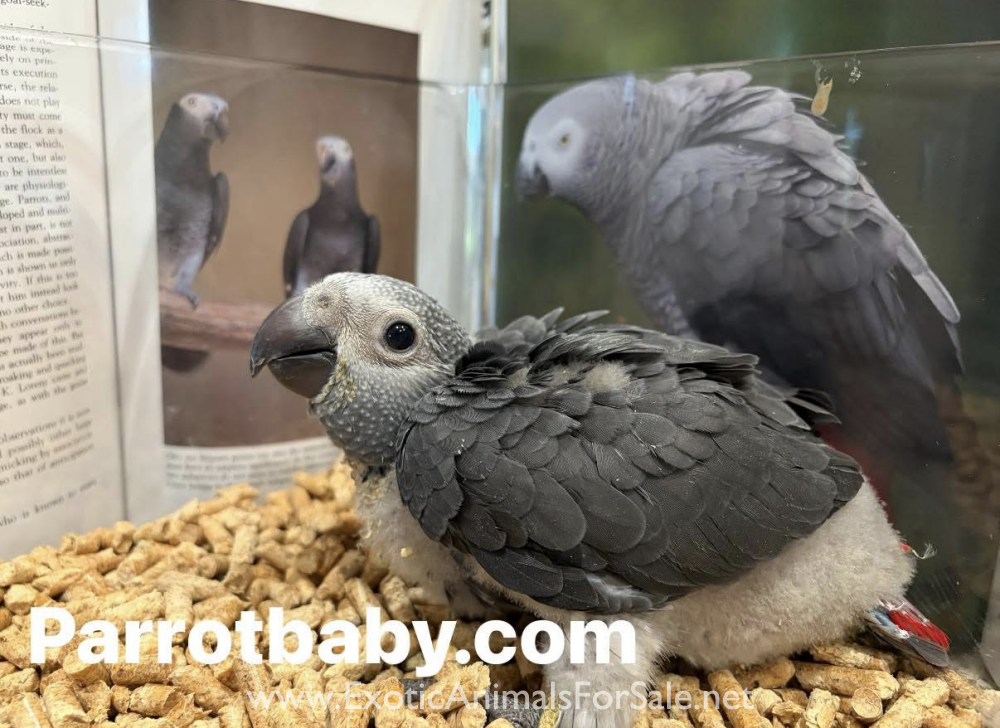
Baby Timneh Grey females are the sweetest baby greys. They are smaller than congos and becoming super rare in US Aviculture! There is a $800 Weaning Fee for this baby. We only have one available. Her name is Tali! Make sure to read our reviews...
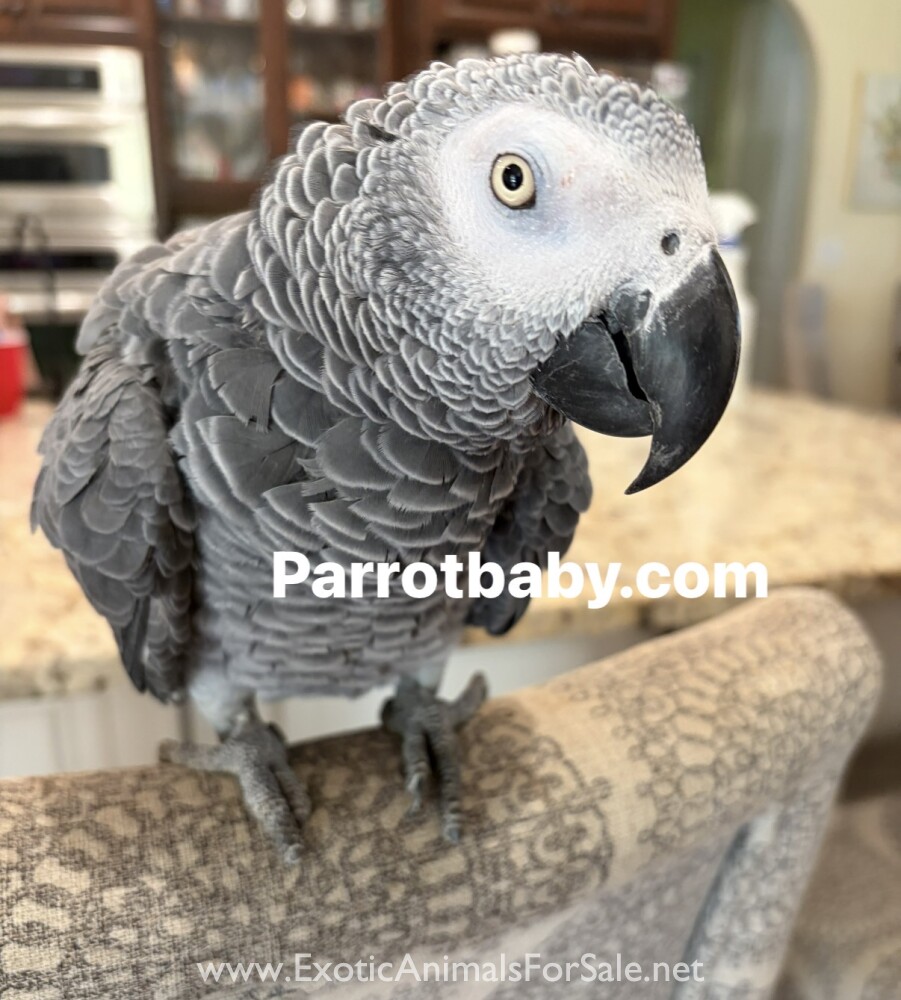
Ray the African Grey
- Price: $3,500.00
- Name: Chris
- Posted: 10/14/2026
- Phone: 8135534932
- Email: Email Seller
- Location: Florida
- Website: http://www.ParrotBaby.com
Ray the African grey is 11 years young fully feathered. But missing a few nails. He is friendly once out of his cage. Ray would be ideal for someone looking for a calmer older Grey. Make sure to read our reviews on Google and visit our site www....
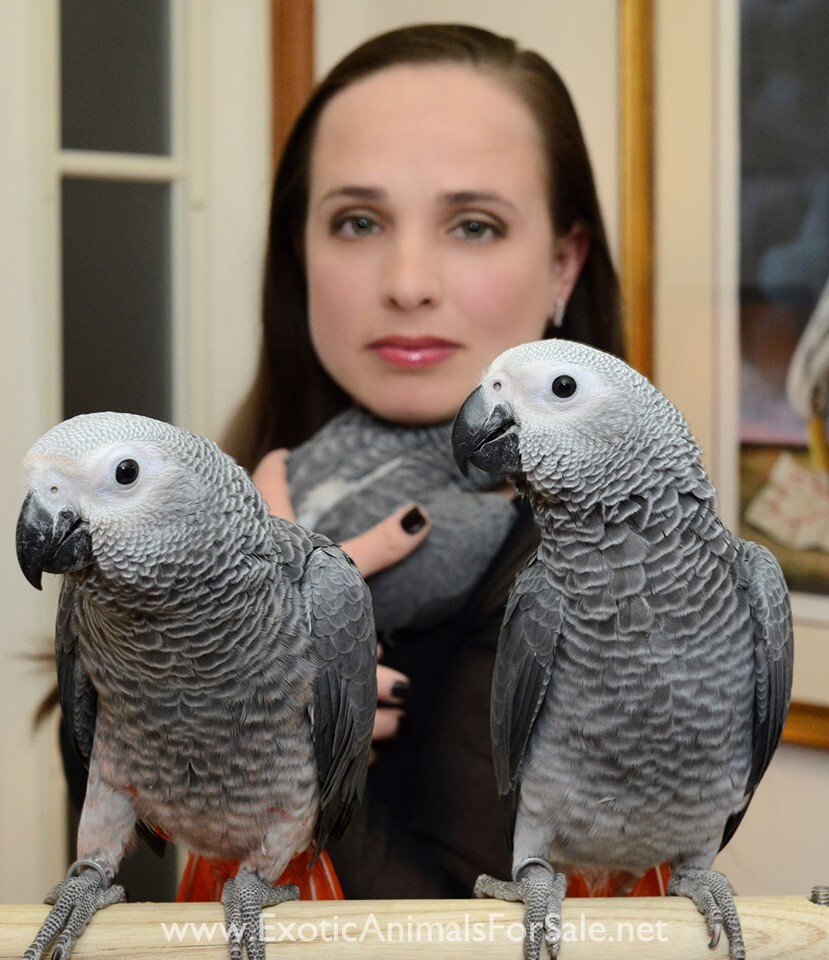
African Grey babies
- Price: $8,500.00
- Name: Ana Temple
- Posted: 10/10/2026
- Phone: 6464965005
- Email: Email Seller
- Location: Pennsylvania
- Website: https://www.anasparrots.com/
All of our beautiful birds are raised with care and love. We put our hearts into these magnificent creatures. We offer pick in the our store located in Stroudsburg PA 18360. Any questions please call our phone number. Thank you!
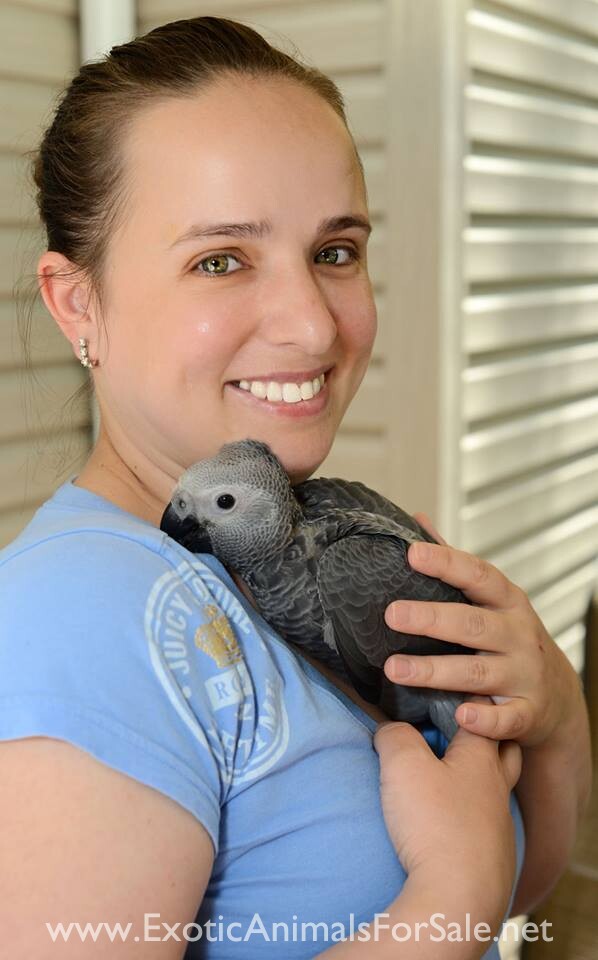
African Grey baby
- Price: $8,500.00
- Name: Ana Temple
- Posted: 09/24/2026
- Phone: 6464965005
- Email: Email Seller
- Location: Illinois
- Website: https://www.anasparrots.com/
All of our beautiful birds are raised with care and love. We put our hearts into these magnificent creatures. We offer pick in Hanover Park, IL. Any questions please call 646-496-5005. Thank you!
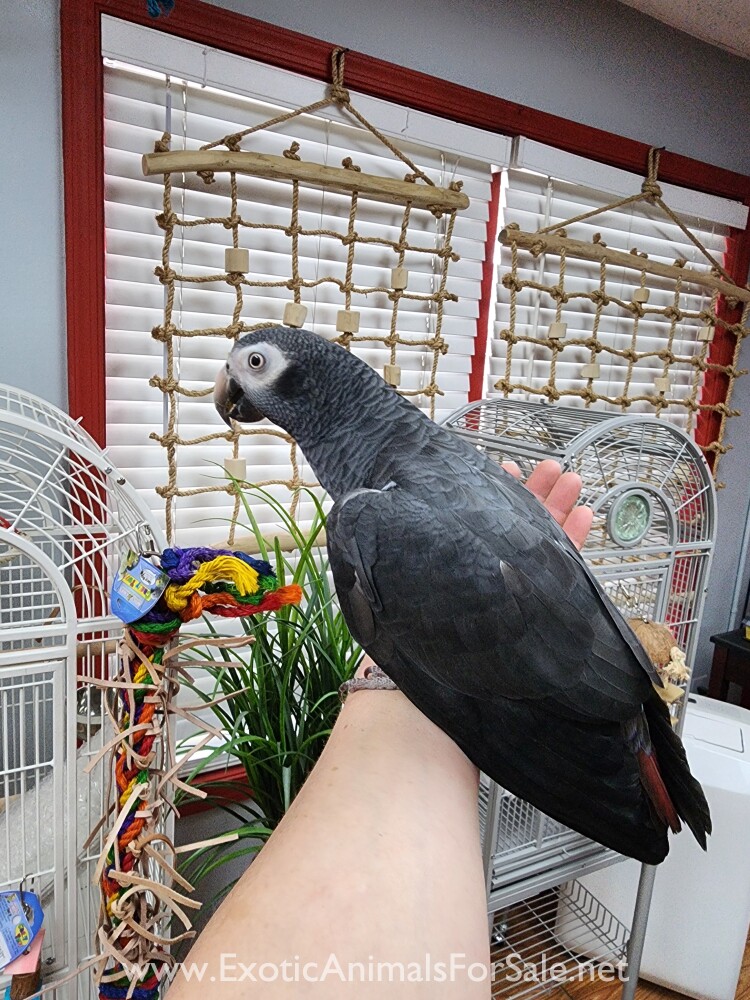
Timneh African Grey
- Price: $3,500.00
- Name: Ana Temple
- Posted: 08/09/2026
- Phone: 6464965005
- Email: Email Seller
- Location: Pennsylvania
- Website: https://www.anasparrots.com/
All of our beautiful birds are raised with care and love. We put our hearts into these magnificent creatures. We offer pick in the our store located in Stroudsburg PA 18360. Any questions please call our phone number. Thank you!
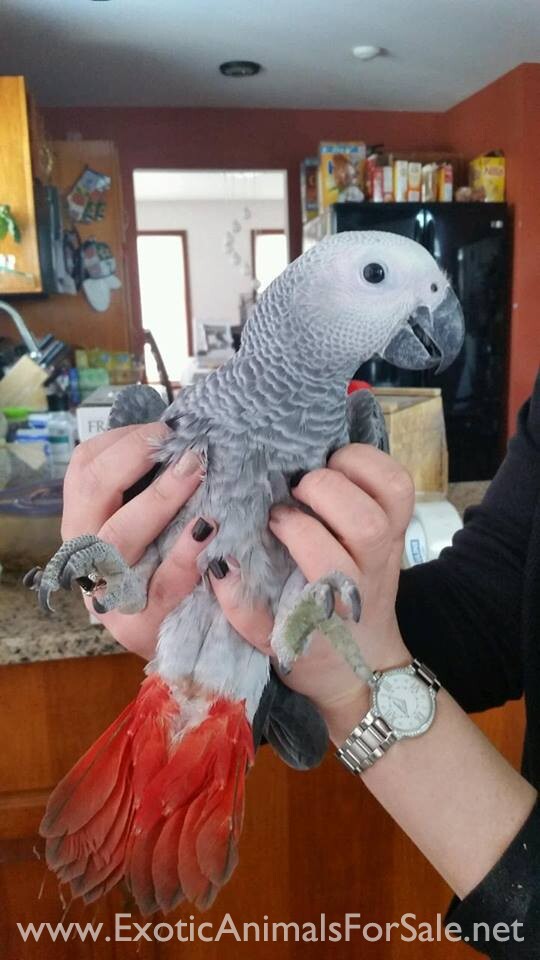
African Grey babies
- Price: $8,500.00
- Name: Ana Temple
- Posted: 07/31/2026
- Phone: 6464965005
- Email: Email Seller
- Location: Pennsylvania
- Website: https://www.anasparrots.com/
All of our beautiful birds are raised with care and love. We put our hearts into these magnificent creatures. We offer pick in the our store located in Stroudsburg PA 18360. Any questions please call our phone number. Thank you!
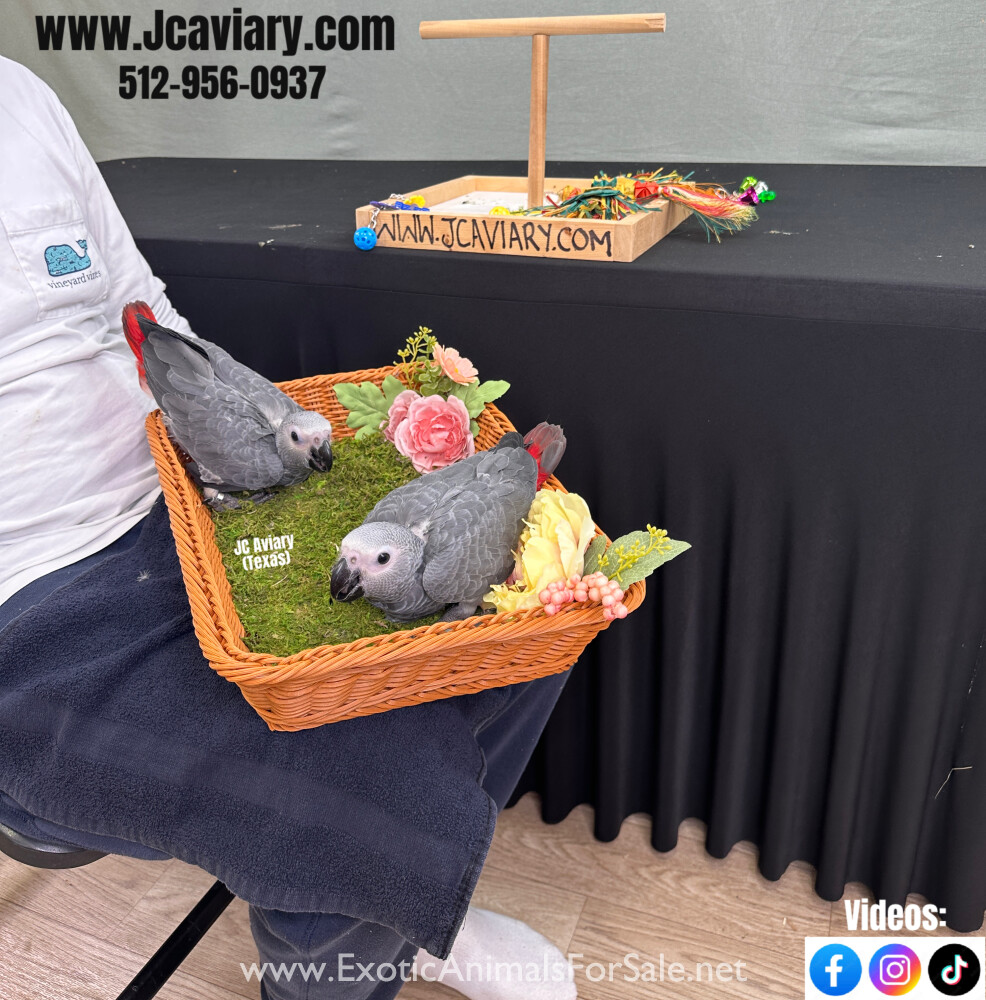
Congo African grey
- Name: Joe Coman
- Posted: 07/30/2026
- Phone: 512-956-0937
- Email: Email Seller
- Location: Texas
- Website: www.jcaviary.com
Accepting reservation on these adorable sweet Congo African grey babies. They are being hand-fed and will be fully trained by us as well. They will be on a healthy diet of organic pellets and vegetables. All our babies are sweet and very socialized....
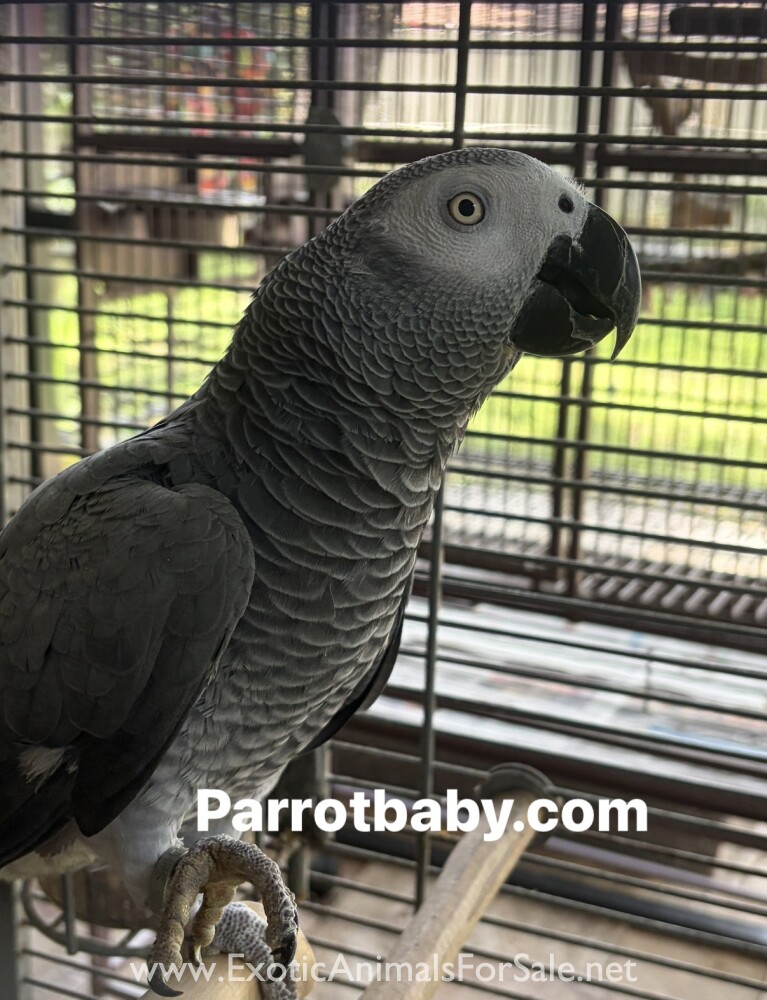
African Grey Parrot
- Price: $3,900.00
- Name: Chris
- Posted: 07/28/2026
- Phone: 8135534932
- Email: Email Seller
- Location: Florida
- Website: https://Parrotbaby.com
This beautiful boy is an amazing pet that loves to talk and is looking for an amazing home. He is disease tested and a very friendly African grey. We are looking for the right home to give him an amazing life he deserves. Make sure to read ou...
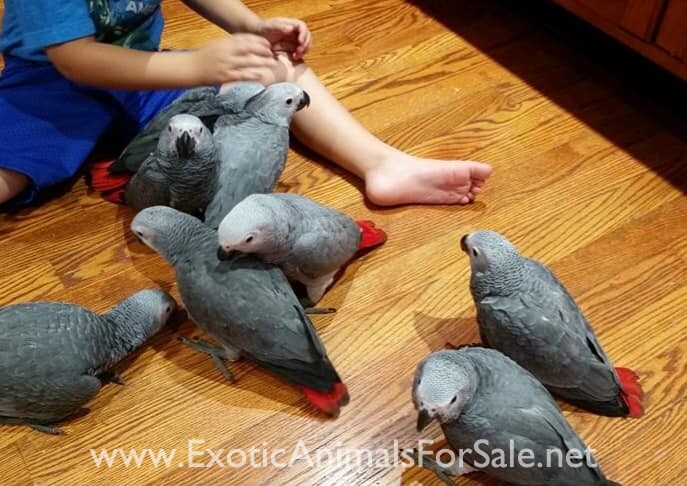
African Grey babies
- Price: $8,500.00
- Name: Ana Temple
- Posted: 07/23/2026
- Phone: 6464965005
- Email: Email Seller
- Location: Pennsylvania
- Website: https://www.anasparrots.com/
All of our beautiful birds are raised with care and love. We put our hearts into these magnificent creatures. We offer pick in the our store located in Stroudsburg PA 18360. Any questions please call our phone number. Thank you!
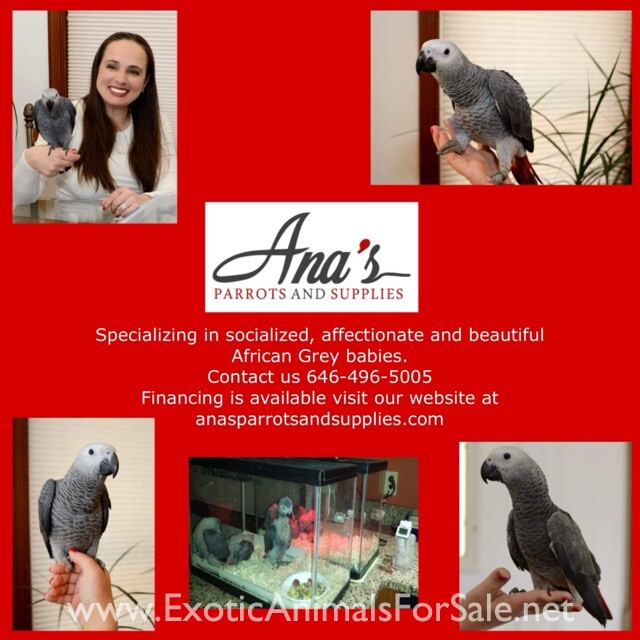
Congo African Grey babies. Accepting deposits now!
- Price: $8,500.00
- Name: Ana Temple
- Posted: 07/20/2026
- Phone: 6464965005
- Email: Email Seller
- Location: Pennsylvania
- Website: https://www.anasparrots.com/
All of our beautiful birds are raised with care and love. We put our hearts into these magnificent creatures. We offer pick in the our store located in Stroudsburg PA 18360. Any questions please call our phone number. Thank you!

Congo African grey babies- Acepting deposits now
- Price: $8,500.00
- Name: Ana Temple
- Posted: 07/13/2026
- Phone: 6464965005
- Email: Email Seller
- Location: Pennsylvania
- Website: https://www.anasparrots.com/
All of our beautiful birds are raised with care and love. We put our hearts into these magnificent creatures. We offer pick in the our store located in Stroudsburg PA 18360. Any questions please call our phone number. Thank you!
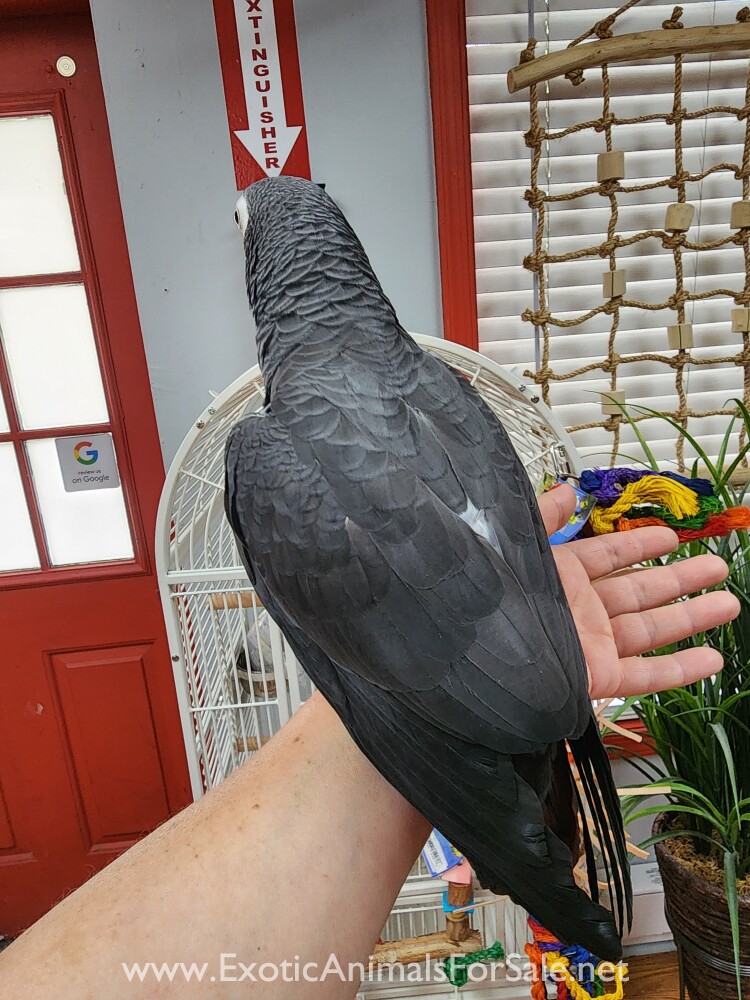
Timneh African Grey
- Price: $3,500.00
- Name: Ana Temple
- Posted: 07/07/2026
- Phone: 6464965005
- Email: Email Seller
- Location: Pennsylvania
- Website: https://www.anasparrots.com/
All of our beautiful birds are raised with care and love. We put our hearts into these magnificent creatures. We offer pick in the our store located in Stroudsburg PA 18360. Any questions please call our phone number. Thank you!
Types of African Grey for sale
Taxonomy and Phylogenetics
Psittacus erithacus is native to the primary and secondary rainforests of West and Central Africa. Historically categorized as a single species with two subspecies, modern genomic sequencing has solidified the distinction between the Congo African Grey (P. erithacus) and the Timneh African Grey (P. timneh).
The phylogenetic map suggests that these two lineages diverged approximately 2.4 million years ago, driven by the formation of the Dahomey Gap—a savannah corridor that fragmented the Upper and Lower Guinean forests. While the Congo is characterized by its larger frame and bright red rectrices, the Timneh exhibits a maroon tail and a horn-colored maxilla, along with a noted resilience to more arid, peripheral forest environments.
The Neurobiology of "Bird Brains"
Neuronal Density: Research confirms that African Greys possess a neuronal density in the telencephalon that exceeds that of many primates. While their brains are physically smaller, the packing of neurons allows for rapid information processing and high-order integration.
The Medial Spiriform Nucleus (SpM): This circuit connects the cortex-like areas to the cerebellum. In African Greys, the SpM is significantly enlarged, facilitating the complex motor control required for both intricate vocalizations and advanced tool manipulation.
Beyond Mimicry
The landmark work of Dr. Irene Pepperberg with "Alex" provided the foundation, but research has pushed into the realms of metacognition and prosociality.
Logical Reasoning and Inference
African Greys have demonstrated the ability to solve "inference by exclusion" tasks. When presented with two containers, one of which is shown to be empty, the birds consistently choose the other, demonstrating a grasp of the logical disjunction: If A is not here, it must be in B. This is a hallmark of Type-2 reasoning once thought exclusive to humans and great apes.
Instrumental Cooperation and Altruism
A pivotal 2020-2025 study showed that African Greys engage in token transfer. In this experiment, one bird is given tokens but no access to a food-exchange window, while a neighbor has the window but no tokens. Remarkably, the first bird will pass tokens to the neighbor to allow them to get food, even with no immediate guarantee of sharing. This suggests a level of intrinsic understanding of the partner's "state of need."
C. Numeric Competence
The species can categorize objects by color, shape, and material, and can perform simple addition and subtraction up to the number 6. More impressively, they have demonstrated a functional understanding of the concept of zero—not merely as a "nothing" but as a numerical value representing an empty set.
Communication and Vocal Learning
African Greys are "open-ended learners," meaning they continue to acquire new vocalizations throughout their lifespan.
Dialects and Social Identity: In the wild, Greys use specific whistles and squawks to identify flock members. These "contact calls" function as digital signatures, allowing for the maintenance of social cohesion in the dense canopy where visual contact is limited.
Referential Labeling: In laboratory settings, they have proven that their speech is not merely associative. They can use human labels (words) to describe properties. An African Grey can be asked, "What's the same?" about a green wooden square and a green plastic triangle, and correctly respond, "Color," demonstrating abstract conceptualization.
Social Structure
In their natural habitat, African Greys are highly gregarious. They roost in massive colonies—sometimes numbering in the thousands—and forage in smaller family units. Their social structure is highly fluid. This complexity is believed to be the evolutionary driver of their intelligence; navigating the shifting alliances and hierarchies of a large flock requires significant social memory and "Theory of Mind" (the ability to attribute mental states to others).
Monogamy and Parenting They are obligate monogamists. Pair bonds are maintained through allopreening and ritualized feeding. Both parents invest heavily in the altricial (helpless) chicks, with a fledging period that lasts up to 12 weeks, followed by a lengthy "adolescence" where social skills are honed.
Habitat Loss
The African Grey is currently classified as Endangered on the IUCN Red List.
Deforestation for palm oil, logging, and urban expansion has decimated nesting sites. African Greys are cavity nesters, meaning they require old-growth trees with pre-existing hollows. The removal of a single large tree can displace multiple breeding pairs.
The Illegal Wildlife Trade
Historically, the African Grey was the most traded parrot in the world. CITES moved the species to Appendix I in 2016, banning all international commercial trade of wild-caught individuals. However, in 2026, illegal trapping remains a persistent threat, particularly in the Congo Basin, fueled by demand in emerging markets.
Legality of Sale: To sell an African Grey the bird must be captive-bred. Legitimate sellers provide a Hatch Certificate and a closed-loop metal leg band. Never buy a bird that does not have a permanent, seamless leg band.
The very intelligence that makes African Greys fascinating makes them difficult to keep as companions.
Psychological Vulnerability: Due to their high cognitive demands, captive African Greys are prone to Feather Destructive Behavior (FDB) and stereotypies if under-stimulated. They require "cognitive enrichment"—puzzles and social interaction—rather than just physical toys.
Cognitive Complexity: In an era of AI, the authentic, "fast-thinking" logic of an African Grey is more prized than ever. They don't just mimic; they use words in context.
The "Apartment-Friendly" Large Bird: While they are medium-to-large parrots, they lack the piercing scream of a Macaw or Cockatoo, making them the preferred choice for sophisticated urban dwellers.
Legacy Status: With a lifespan of 40–60 years (and some reaching 80), an African Grey is a multi-generational commitment.
Price
The "bargain" African Grey is a myth—and usually a scam.
| Source | Price Range | Key Considerations |
|---|---|---|
| Certified Breeder | $3,500 – $7,500 | Includes DNA sexing, health panels, and early socialization. |
| Specialty Avian Store | $4,000 – $8,500 | Often includes a "weaning guarantee" and initial setup. |
| Adoption/Rescue | $500 – $1,500 | Requires an experienced hand; may have behavioral history. |
If you see an African Grey for sale online for under $1,500, it is statistically likely to be a scam. Reputable breeders invest thousands in specialized high-protein diets and vet-cleared nurseries.
Housing Standards
A cage is no longer just a cage; it is a Bio-Interactive Habitat.
Minimum Dimensions: 36" W x 24" D x 48" H. Height is important, but width (horizontal flight) is vital.
Material: Medical-Grade Stainless Steel. African Greys are prone to heavy metal poisoning; budget powder-coated cages from previous decades are now considered a health risk.
Integrated Tech: habitats often feature HEPA-grade air purifiers built into the stand. African Greys produce a "powder down" that can be respiratory-irritant without proper filtration.
Lighting: Full-Spectrum UVB (T5 HO) is mandatory for 6–8 hours daily to prevent Hypocalcemia (calcium deficiency), a common clinical issue in this species.
Temperature and Water
The Comfort Zone: Maintain ambient temperatures between 68F and 80F.
Hydration: In 2026, we advocate for recirculating water fountains. African Greys are notoriously picky drinkers; flowing water encourages hydration and reduces the risk of bacterial blooms in standing bowls.
Humidity: Aim for 50% - 65%. Dry air leads to "feather dust" and itchy skin, which can trigger the dreaded feather-plucking behavior.
Nutrition
The standard has moved away from "seed mixes" to Precision Nutrition.
| Food Group | Specific Examples | |
|---|---|---|
| Organic Pellets | 60% of Diet | Harrison's High Potency or Roudybush. |
| Vitamin A-Rich Chop | 30% of Diet | Steamed sweet potato, carrots, kale, and red peppers. |
| Healthy Fats | 7% of Diet | Palm Oil (their natural diet) or 1–2 almonds daily. |
| Foraging Treats | 3% of Diet | Walnuts (in-shell) to provide a "problem-solving" task. |
Personality and Training: Managing the "Einstein"
An African Grey's intelligence is its greatest asset and its greatest challenge.
The "Phobic" Phase: Greys can be sensitive to change. socialization techniques involve "Desensitization Training" for new objects or people.
Mimicry vs. Context: They will learn the sound of your phone, your microwave, and your specific laugh.
Destruction: They require "Active Toys"—wood, leather, and cardboard that they can systematically destroy. Without a "job" (destroying toys), they will find one (destroying your furniture).
FAQ
How long do African Grey parrots live?
With modern nutrition, they are expected to live 40 to 60 years, with some reaching 80.
Are African Greys loud?
They are "whistlers" and "talkers" rather than "screamers." They are loud, but their noise is generally more tolerable than a Macaw's.
Can African Greys be left alone?
No more than 4–6 hours. They are highly social and can develop "separation anxiety" or feather-destructive behaviors if neglected.
Which is better: Congo or Timneh?
Congos are larger and more "iconic," but Timnehs are often cited as being more "resilient" and less prone to phobias. Both are equally intelligent.
Comments