
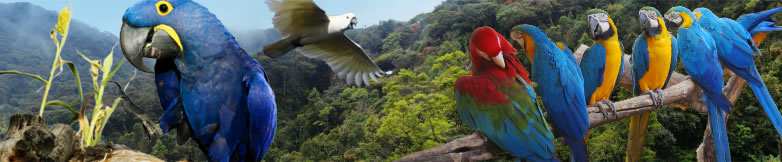
Verde Macaws for sale
The Verde Macaw is one of the most striking and rare "designer" hybrids in the avian world. Known for its deep forest greens and brilliant splashes of yellow and blue, this bird is a masterpiece of captive breeding.
In this guide, we will cover everything you need to know about finding a Verde Macaw for sale, including care requirements, dietary needs, and the cost of ownership.
What is a Verde Macaw?
The Verde Macaw is a first-generation (F1) hybrid, the result of crossing a Scarlet Macaw with a Buffon’s Macaw (also known as the Great Green Macaw).
While many people confuse them with the Military Macaw due to their green plumage, the Verde is significantly larger and possesses a more complex temperament. They inherit the "big bird" presence of the Buffon’s and the flashy, high-energy personality of the Scarlet.
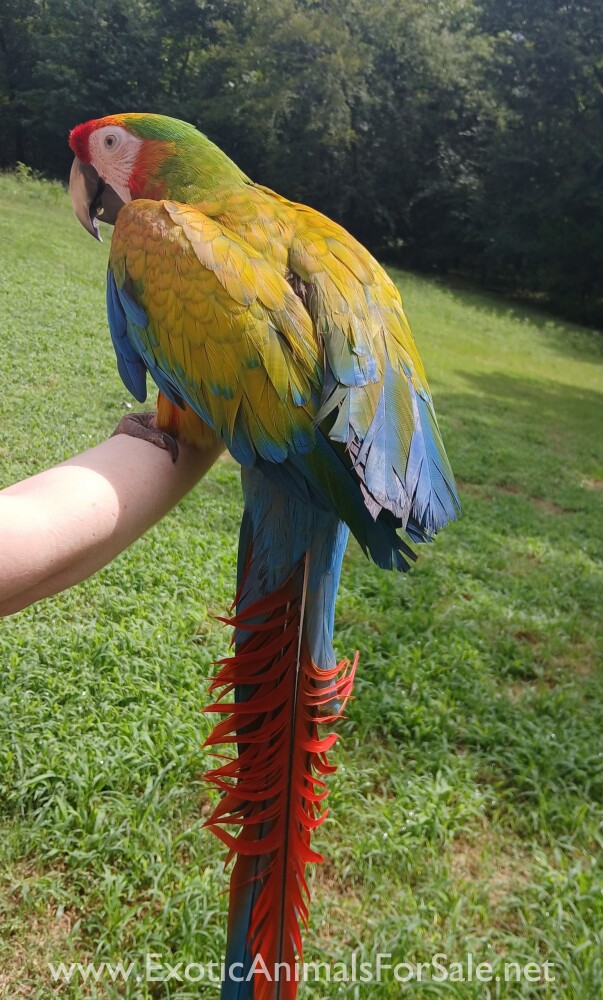
Verde Macaw (Yellow Dominant)
- Name: Jennifer
- Posted: 10/09/2026
- Phone: 9038051002
- Email: Email Seller
- Location: Texas
Male 6 y.o. yellow-dominant verde macaw for sale. Very tame but socialized with both people and other macaws so could be pet, educational animal, or breeder. Absolutely stunning color and temperament. Buyer is welcome to have bird vetted before pu...
Yellow Dominant Verde Macaw (Scarlet X Buffon's)
- Name: Jennifer Guerra
- Posted: 07/19/2026
- Phone: 9038051002
- Email: Email Seller
- Location: Texas
I have one verde (scarlet X Buffon's hybrid) macaw available. This beauty is a male of close to five years old. He is tame and talks but has bonded before to a female and remained that way, thus he is being offered as a breeder and/or pet. Anyone exp...
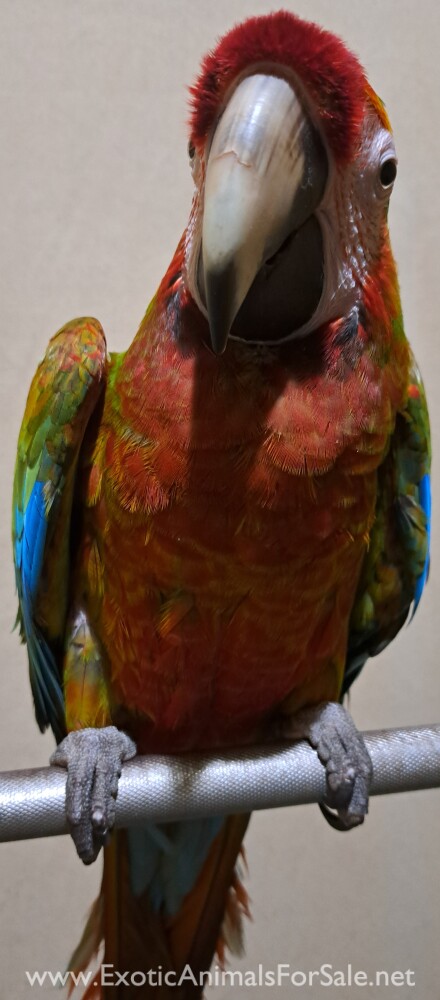
Verde Macaw
- Name: Jennifer
- Posted: 07/01/2026
- Phone: (903) 805-1002
- Email: Email Seller
- Location: Texas
I have one verde (scarlet X Buffon's hybrid) macaw available. This beauty is a male of close to five years old. He is tame and talks but has bonded before to a female and remained that way, thus he is being offered as a breeder and/or pet. Anyone exp...
Popularity and Availability
Because Buffon's Macaws are critically endangered and highly regulated, Verde Macaws are quite rare. They are not as common as Catalina or Harlequin macaws, making them a "prize" for collectors and enthusiasts who appreciate the subtle, iridescent beauty of green-dominant plumage.
Housing and Environment
A bird of this size and intelligence cannot be "caged" in the traditional sense; they require a dedicated living space.
The Enclosure
For a Verde Macaw, your enclosure must be made of high-quality stainless steel or powder-coated wrought iron.
Minimum Dimensions: 36 inches wide x 48 inches deep x 72 inches tall.
Bar Spacing: 1 to 1.5 inches. Anything wider risks the bird getting its head stuck.
Play Top: Look for cages with a "play top" to provide a secondary station for the bird when you are in the room.
Temperature and Humidity
Verde Macaws are tropical birds. They thrive in temperatures between 21°C and 27°C (70°F–80°F).
Avoid Drafts: Keep the cage away from air conditioning vents and drafty windows.
Humidity: These birds require humidity. If you live in a dry climate, use a humidifier or provide daily misting to prevent dry skin and feather plucking.
Diet and Nutrition
To keep a Verde Macaw's feathers vibrant and "Verde" (green), a seed-only diet is a recipe for disaster.
| Food Category | Percentage of Diet | Examples |
|---|---|---|
| High-Quality Pellets | 60–70% | Harrison’s, Roudybush, or ZuPreem (Natural). |
| Fresh Vegetables | 20% | Kale, sweet potatoes (cooked), bell peppers, broccoli. |
| Fresh Fruits | 10% | Papaya, mango, apples (no seeds), berries. |
| Nuts & Seeds | 5% | Macadamias, walnuts, and almonds (high in healthy fats). |
Warning: Never feed your macaw avocado, chocolate, caffeine, or onions, as these are toxic to birds.
Water and Hygiene
Cleanliness is the most effective way to prevent avian diseases.
Drinking Water: Must be changed at least twice daily. Macaws are "dunkers"—they often drop food into their water, creating a bacterial soup.
Bathing: Macaws love water. Provide a large, shallow dish for bathing or take them into the shower with you on a dedicated shower perch. This is essential for respiratory health.
The Cost of Ownership
Purchasing a Verde Macaw is a significant financial commitment.
Initial Purchase Price: Typically ranges from $3,500 to $6,000, depending on the bird’s age, tameness, and the breeder’s reputation.
The Setup: A proper cage, initial toys, and perches will cost between $800 and $1,500.
Ongoing Costs: Expect to spend roughly $100–$150 per month on fresh food, high-end pellets, and a constant rotation of wood toys (Verde Macaws are destructive chewers).
Behavior and Training
The Verde Macaw is highly intelligent. Without mental stimulation, they can become loud and aggressive.
Socialization: They tend to be "one-person birds" unless socialized early with multiple family members.
Talking Ability: While not as prolific as the African Grey, they can learn 15–30 words and mimic household sounds with startling accuracy.
Is a Verde Macaw Right for You?
Before searching for a Verde Macaw for sale, ask yourself if you can provide at least 3–4 hours of out-of-cage time every single day. These are not "ornamental" pets; they are lifelong companions with the emotional intelligence of a toddler.
Comments